
Wildlife & Birding Guide to the Santa Fe River
Discover the Birds, Turtles, Fish and Other Wildlife That Call Florida’s Springs Country Home
Paddling Adventures designed to help you see it all
The Santa Fe River near High Springs, Florida, is more than a scenic paddling destination—it is a living wildlife corridor. Its spring runs, cypress-lined banks, hardwood forests and clear freshwater habitats support an incredible variety of birds and other native animals.
Paddling offers a quiet, low-impact way to experience Santa Fe River wildlife in its natural surroundings. From anhingas drying their wings above the water to turtles basking along the riverbank, every bend offers another opportunity to slow down, look closely and discover something wild.
Wildlife sightings are never guaranteed, but that sense of discovery is part of what makes every Santa Fe River paddle unique.
Bird Watching on the Santa Fe River
The river is an excellent destination for anyone interested in bird watching near High Springs, FL. The combination of open water, spring runs, wooded shorelines and forest canopy creates habitat for waterbirds, birds of prey, woodpeckers and seasonal migrants.
Some birds You may spot:
• Great blue herons standing quietly along shallow shorelines
• Great egrets and white ibis searching for food near the water’s edge
• Ospreys circling above the river or diving to catch fish
• Anhingas and cormorants swimming, fishing or drying their wings
• Belted kingfishers moving quickly from perch to perch
• Wood ducks sheltering around wooded banks and quiet coves
• Barred owls calling from the surrounding forest
• Pileated woodpeckers moving among mature trees
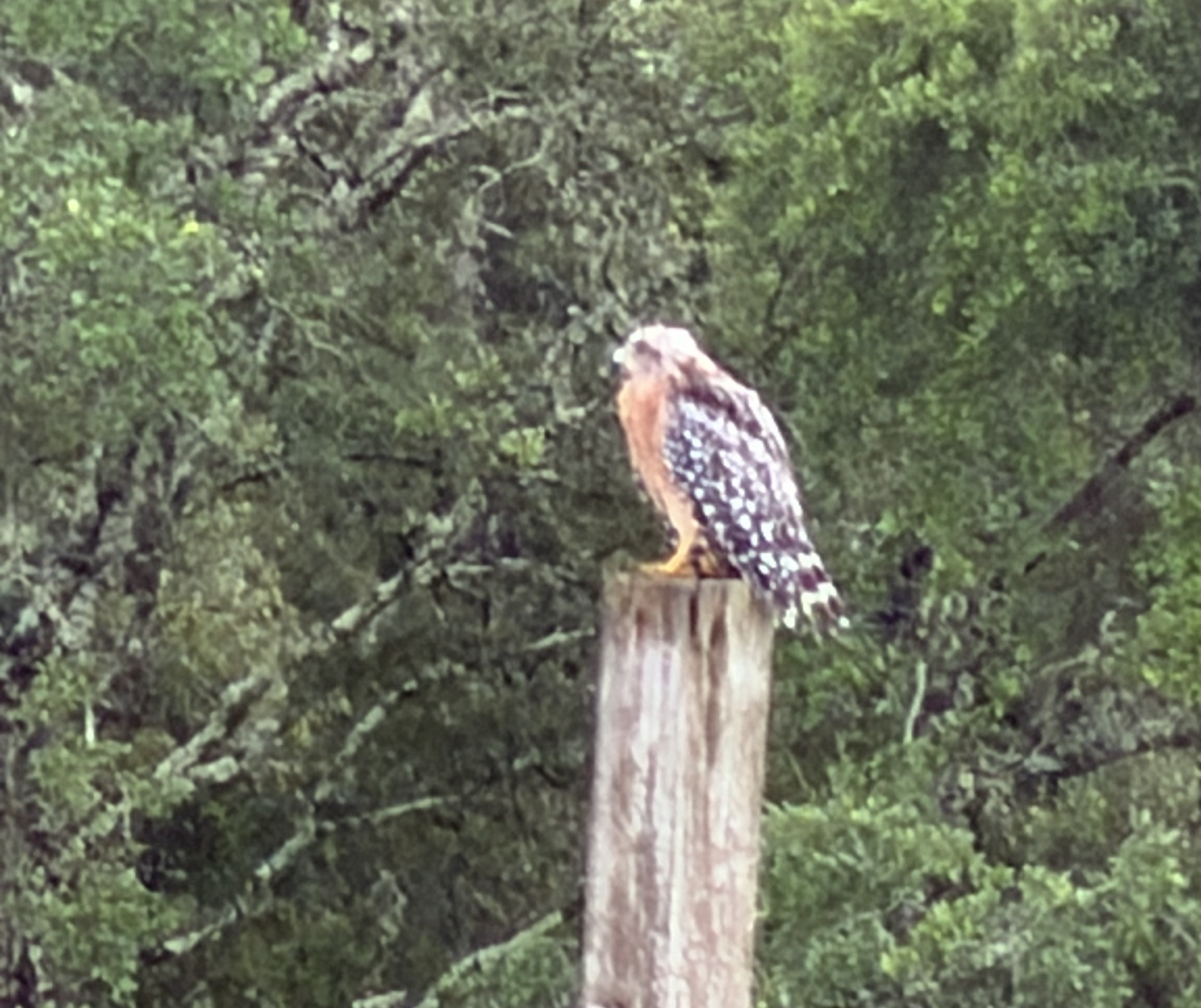
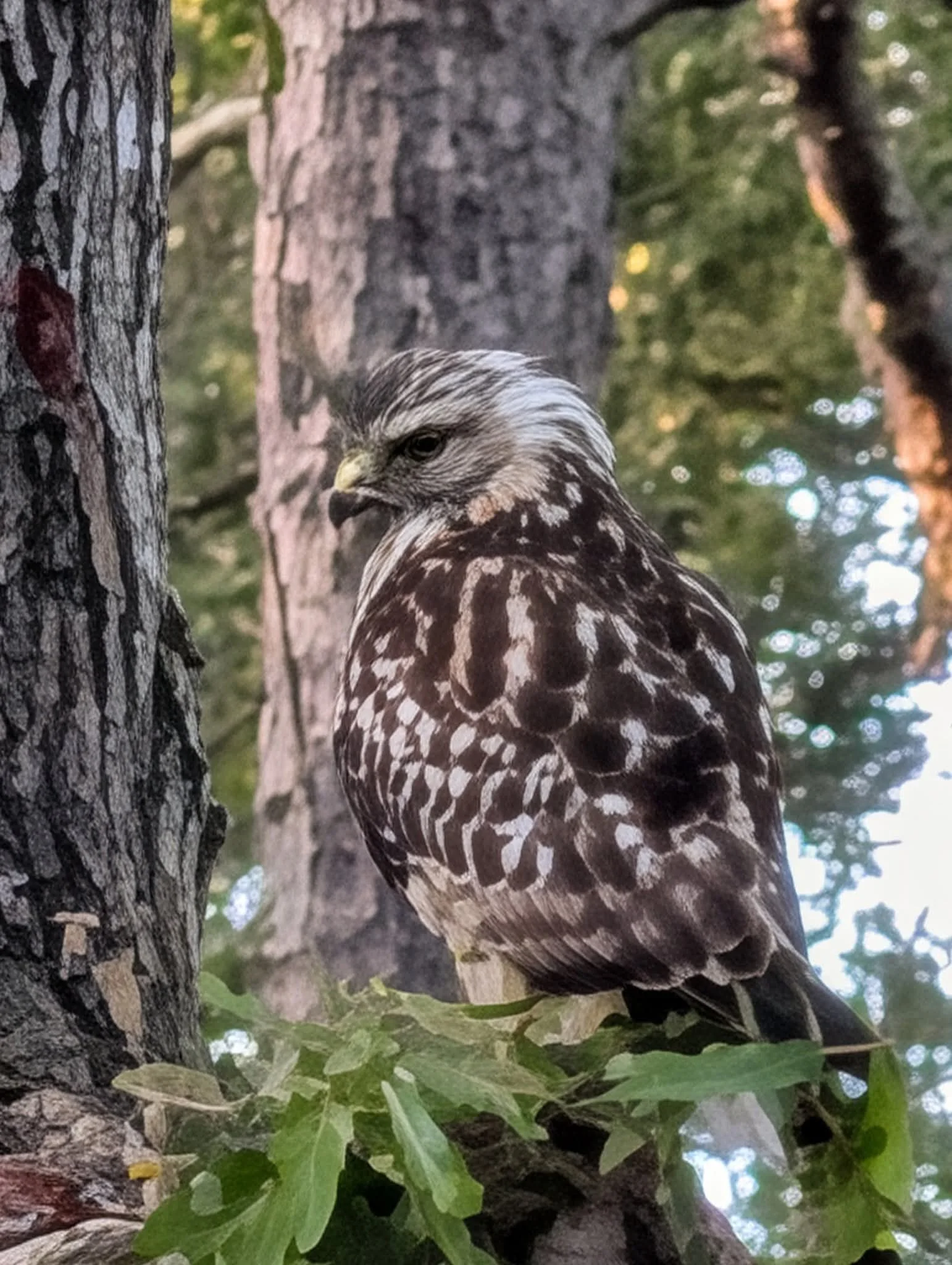
• Hawks (like the Red Shoulder Hawk pictured here) and other birds of prey soaring above the river corridor
Spring and fall can bring migrating songbirds through North Florida, while many waterbirds and woodland species can be observed throughout the year.
A Few Birding Tips
• Paddle slowly and limit unnecessary noise
• Scan exposed branches above the river
• Watch shallow shorelines for wading birds
• Look for movement before searching for color
• Listen for calls coming from the forest canopy
• Bring binoculars with a neck strap or secure harness
• Protect cameras and phones in a waterproof case or dry bag
The best wildlife encounters often happen when you stop paddling, remain still and let the river come alive around you.
Turtles Along the Santa Fe River
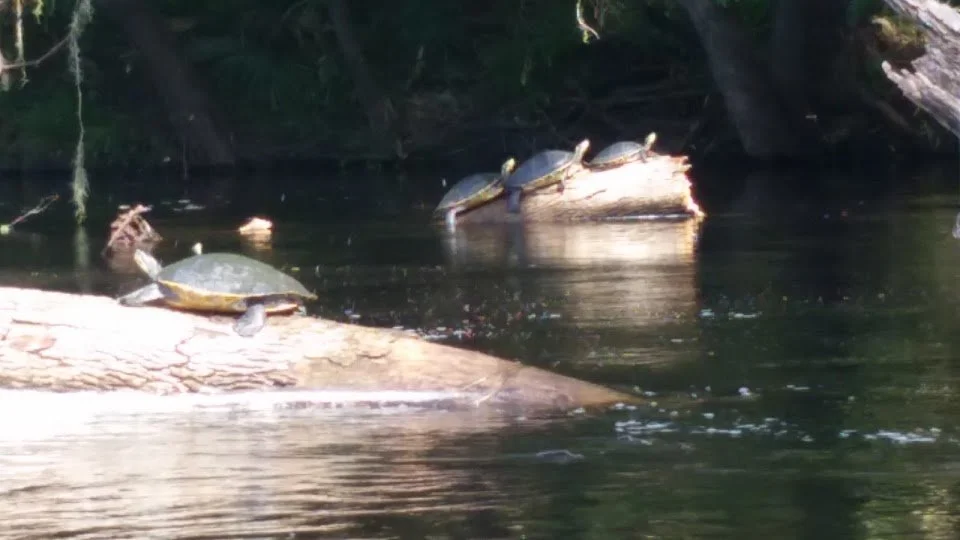
Turtles are among the most frequently observed animals on the river. On sunny days, they often gather on fallen trees and exposed logs to warm themselves.
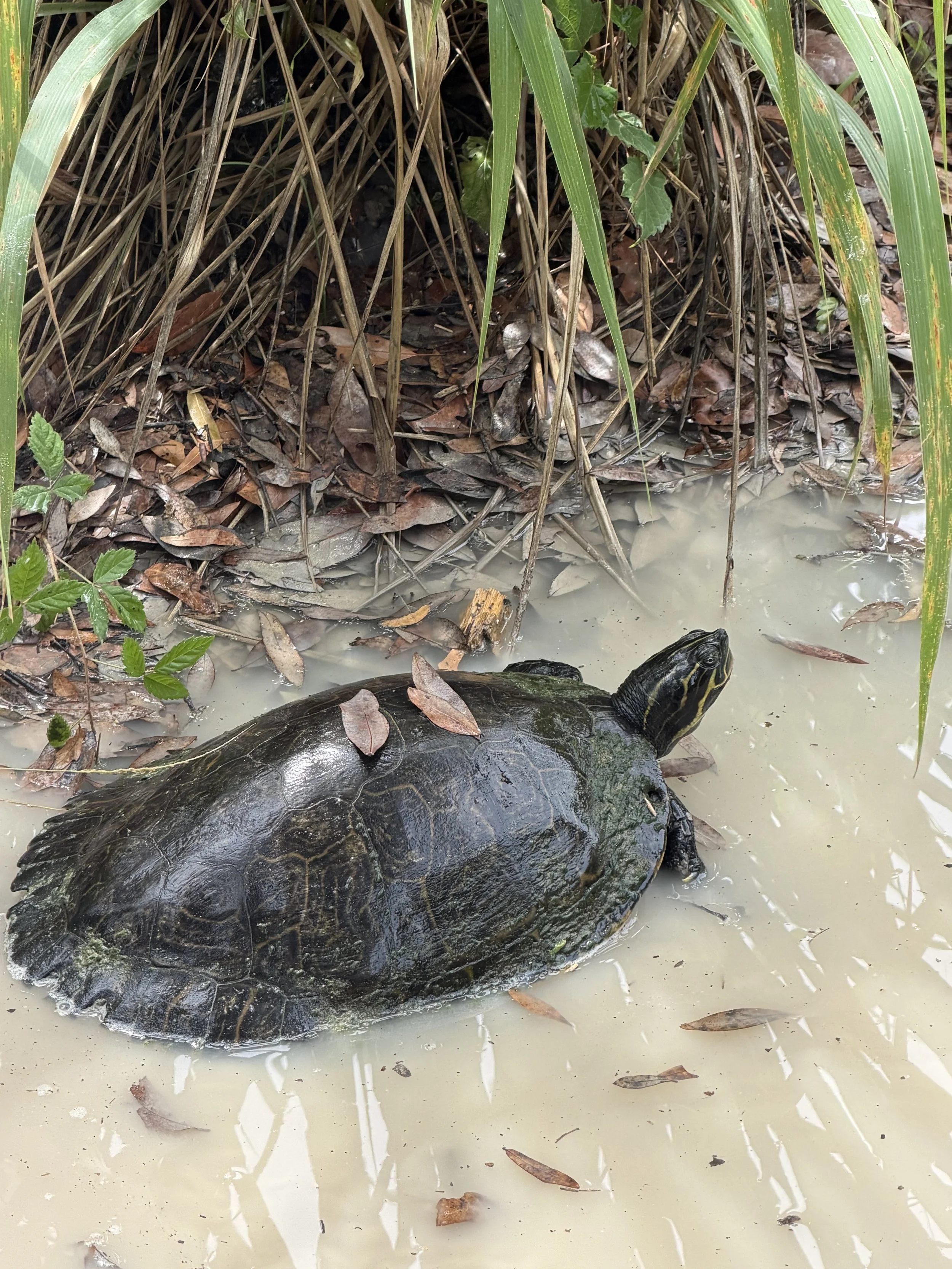
11 native and 4 non-native species of turtles may be seen swimming through spring runs, resting near the shoreline or quickly sliding into the water as paddlers approach.
Give basking turtles plenty of room. If one jumps into the river as you pass, it usually means your paddlecraft came closer than it found comfortable.
Native Turtles You May See
Native species and their approximate maximum carapace length.
• Florida Softshell - up to 19 inches. Carnivorous, usually stays in the water, and is the fastest swimming turtle on the Santa Fe
• Florida Chicken - Only up to 9 inches. Carnivorous, usually stays in the water, feeding on crayfish
• Loggerhead Musk - Only up to 5 inches. Carnivorous, specializing in snails, rarely basking
• Stinkpot - Only up to 3 inches. Omnivorous and enjoys basking sometimes
• Striped Mud - Only up to 4 inches. Omnivorous and enjoys basking often
• Suwannee Alligator Snapper - A whopping 19 inches. Omnivorous, usually hiding in the deep
• Common Snapper - A big 15 inches. Omnivorous, usually not found basking
• River Cooter - A big 16 inches. Herbivorous, number one for finding while basking
• Peninsular Cooter - A big 14 inches. Herbivorous, often spotted while basking
• Florida Red-bellied - An impressive 12 inches. Herbivorous, often spotted while basking
• Yellow-bellied Slider - A decent 11 inches. Omnivorous, often spotted while basking
Non-native Turtles You May See
Non-native species and their approximate maximum carapace length.
• Red-eared Slider - A decent 9 inches. Omnivorous, enjoys basking and will mate with yellow bellied sliders.
• Mississippi Map - A decent 9 inches. Omnivorous and rare to find but love to bask,
Fish Beneath the Springs
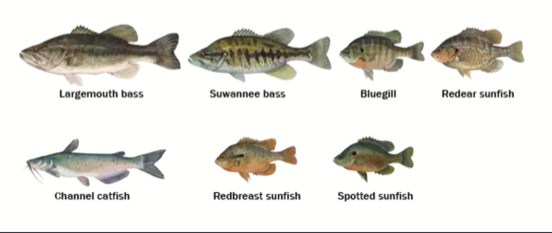
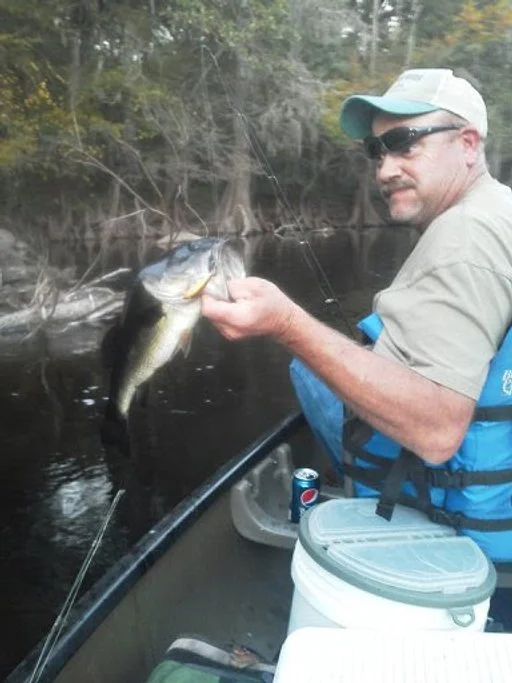
The clear water around the springs creates an extraordinary window into the aquatic world below. Depending on water clarity and river conditions, paddlers may see schools of mullet, gar, sunfish and other native freshwater species.
One of the most striking places to look for fish is where clear spring water meets the darker, tannin-colored Santa Fe River. These “mixing waters” create dramatic changes in color and visibility.
Polarized sunglasses can reduce glare and make it much easier to see beneath the surface.
River Otters and Other Mammals
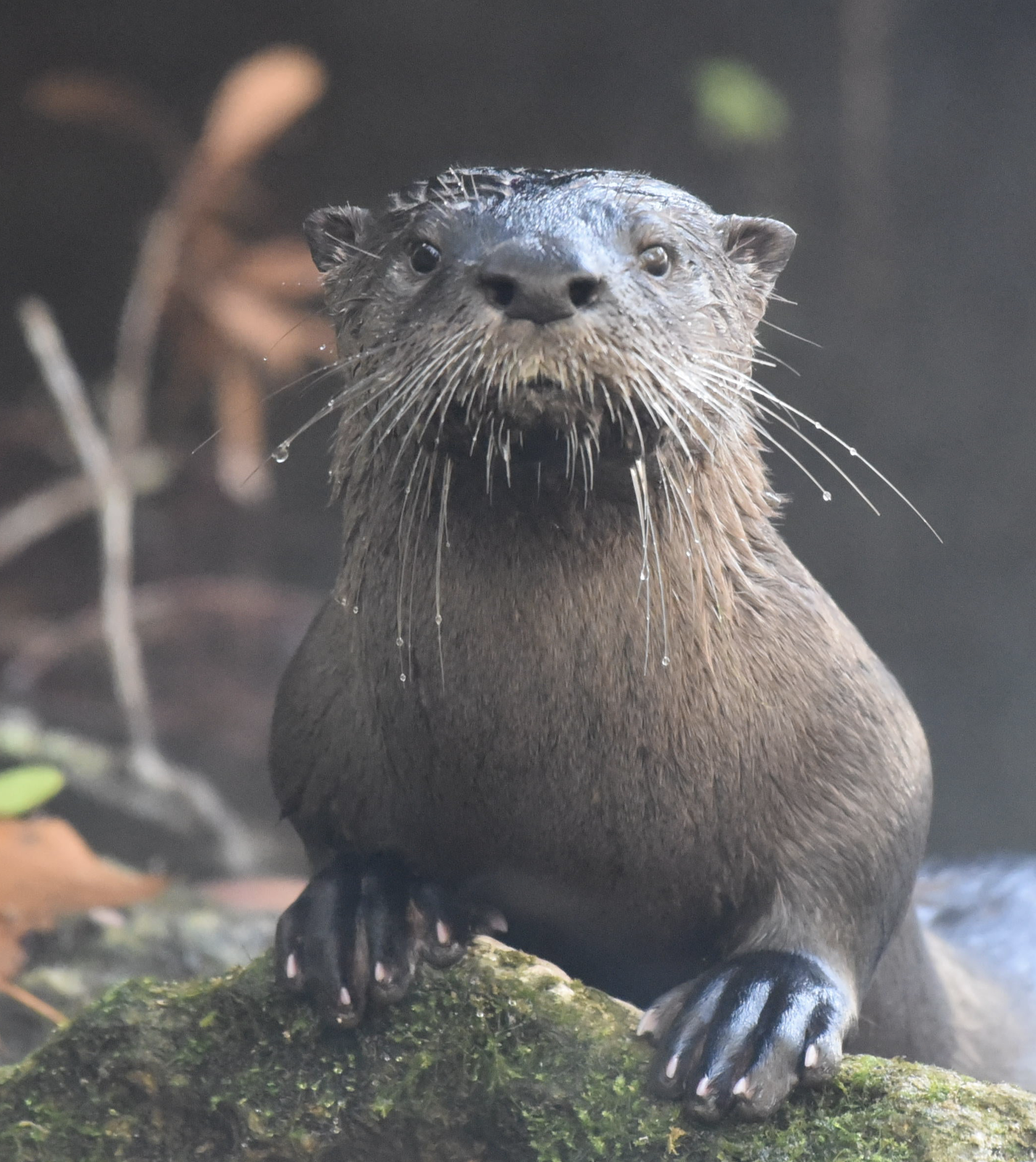
North American river otters live throughout Florida’s freshwater systems, but spotting one requires patience and a little luck. Watch for movement near quiet banks, splashing at the surface or a sleek head briefly appearing above the water.
White-tailed deer, raccoons, wild pigs, and wild turkeys may also be seen near the river or within surrounding parks. These animals are generally easier to observe during quieter morning and evening hours.
Always enjoy mammals from a respectful distance. Never follow, surround or attempt to feed them.
Manatees in the Santa Fe River
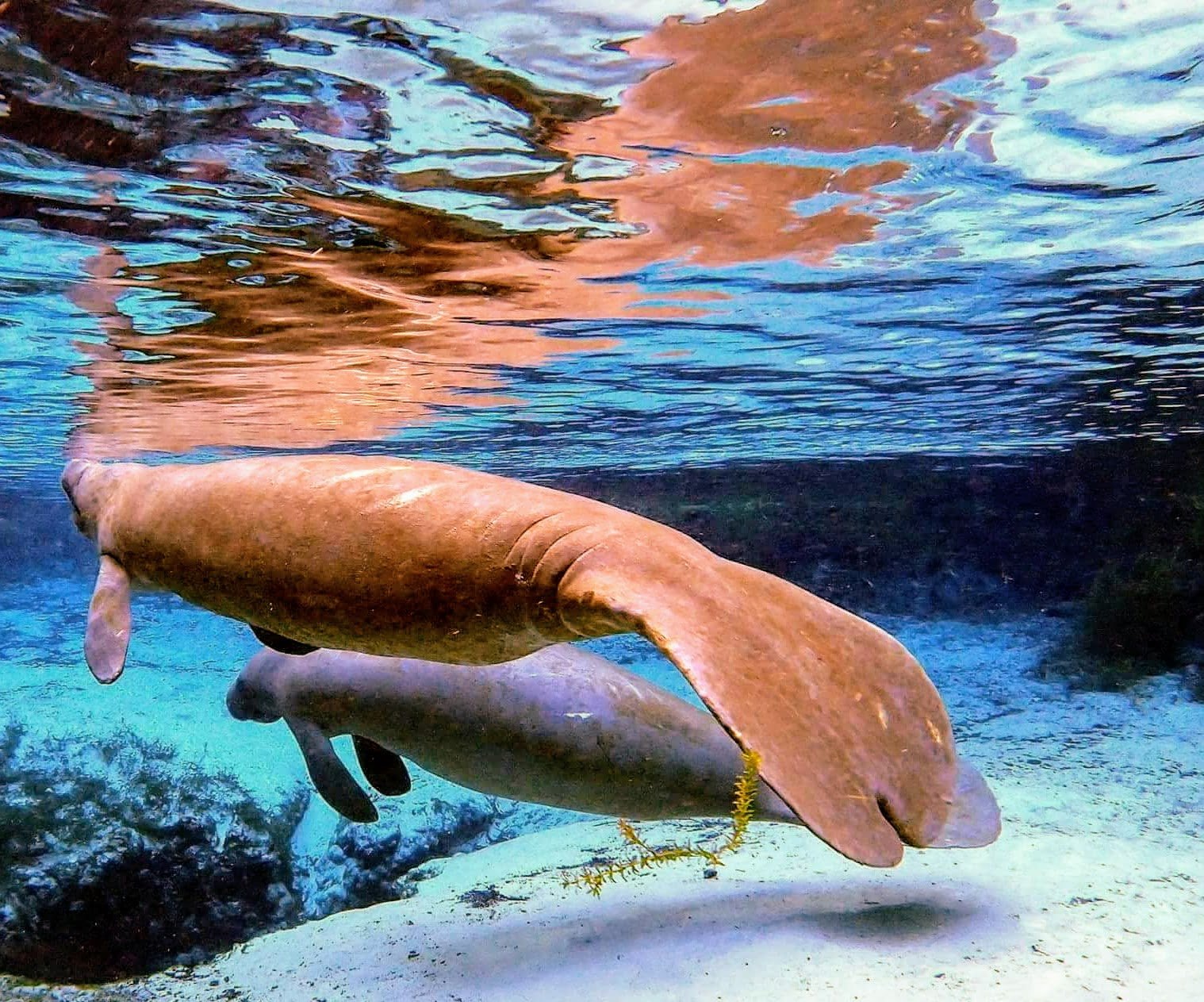
Manatees occasionally travel through the Santa Fe and connected waterways. Sightings are unpredictable, making each encounter especially memorable.
If you see a manatee:
• Slow down and stop paddling when safe
• Give it plenty of room to move freely
• Never chase, touch, feed or surround it
• Avoid paddling directly over it
• Watch for circular ripples or “footprints” that may indicate a manatee below
• Allow the animal to choose whether it approaches or moves away
The best manatee encounter is one that does not change the animal’s natural behavior
What About Alligators and Snakes?
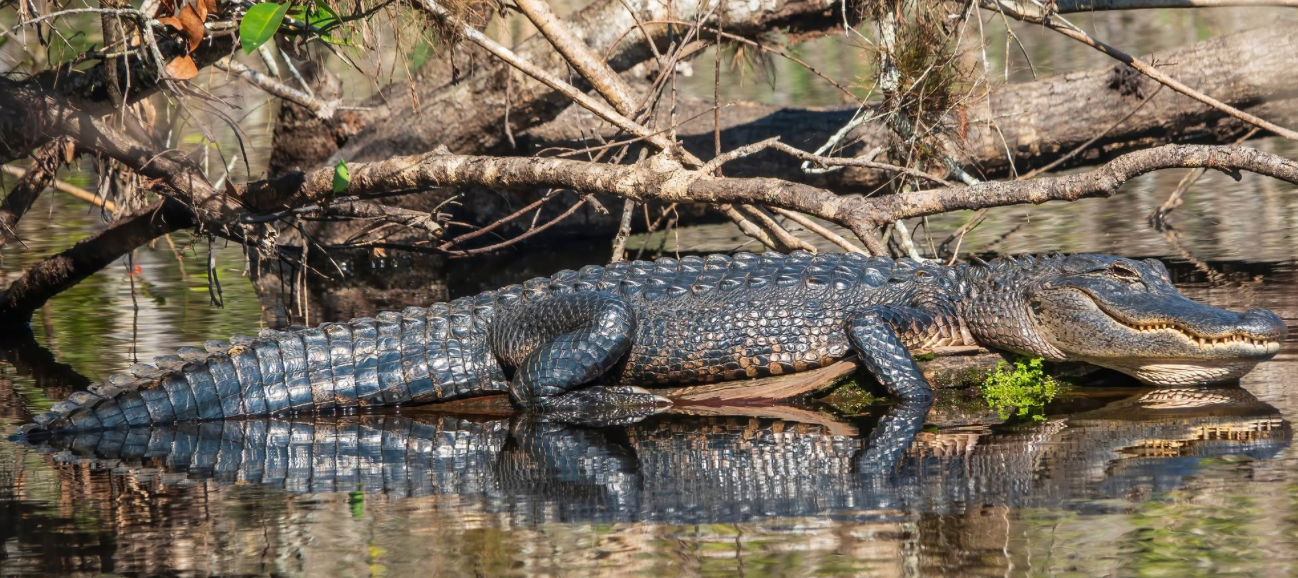
The Santa Fe River is a natural Florida waterway, so alligators and water snakes may be present. Most wildlife avoids people when given adequate space.
If you encounter an alligator, remain calm, keep your distance and continue moving without approaching it. Never feed an alligator or allow pets to swim near one. Feeding causes alligators to associate people with food and creates dangerous conditions for visitors and wildlife.
Water snakes may occasionally be seen swimming across the river or resting near the bank. Observe them from a distance and do not attempt to handle or disturb them.
Seeing native reptiles is a reminder that you are visiting a healthy, wild ecosystem—not an amusement park.
The Best Time to See Wildlife
Wildlife can appear at any time, but your chances may improve when the river is quieter.
Morning
Morning often brings cooler temperatures, softer light and increased bird activity. It is an excellent time for photography and listening for woodland birds.
Midday
Turtles commonly bask when the sun warms exposed logs. Clear overhead light can also improve visibility into spring runs and reveal fish below the surface.
Late Afternoon
As temperatures begin to fall, birds and mammals may become more active again. Be sure your trip allows enough time to reach the takeout before the final shuttle or park closing.
Seasonal Changes
Spring and fall may bring migrating birds through the area. Summer offers lush scenery and active reptile life, while cooler months can provide quieter paddling conditions and different wildlife-viewing opportunities.
There is no single “perfect” season. The river changes throughout the year, and every season offers something worth noticing.
How to Watch Wildlife Responsibly
Responsible wildlife viewing protects the animals and creates a better experience for everyone.
• Observe from a distance
• Never feed or touch wild animals
• Do not chase wildlife for photographs
• Keep pets controlled and away from wildlife
• Avoid disturbing nests, roosts and basking areas
• Pack out all trash and belongings
• Use established access points
• Respect posted closures and protected areas
• Keep music and unnecessary noise to a minimum
• Leave plants, shells, rocks and natural objects where you find them
A zoom lens or pair of binoculars will always create a better encounter than moving too close.
Explore the River by Paddlecraft
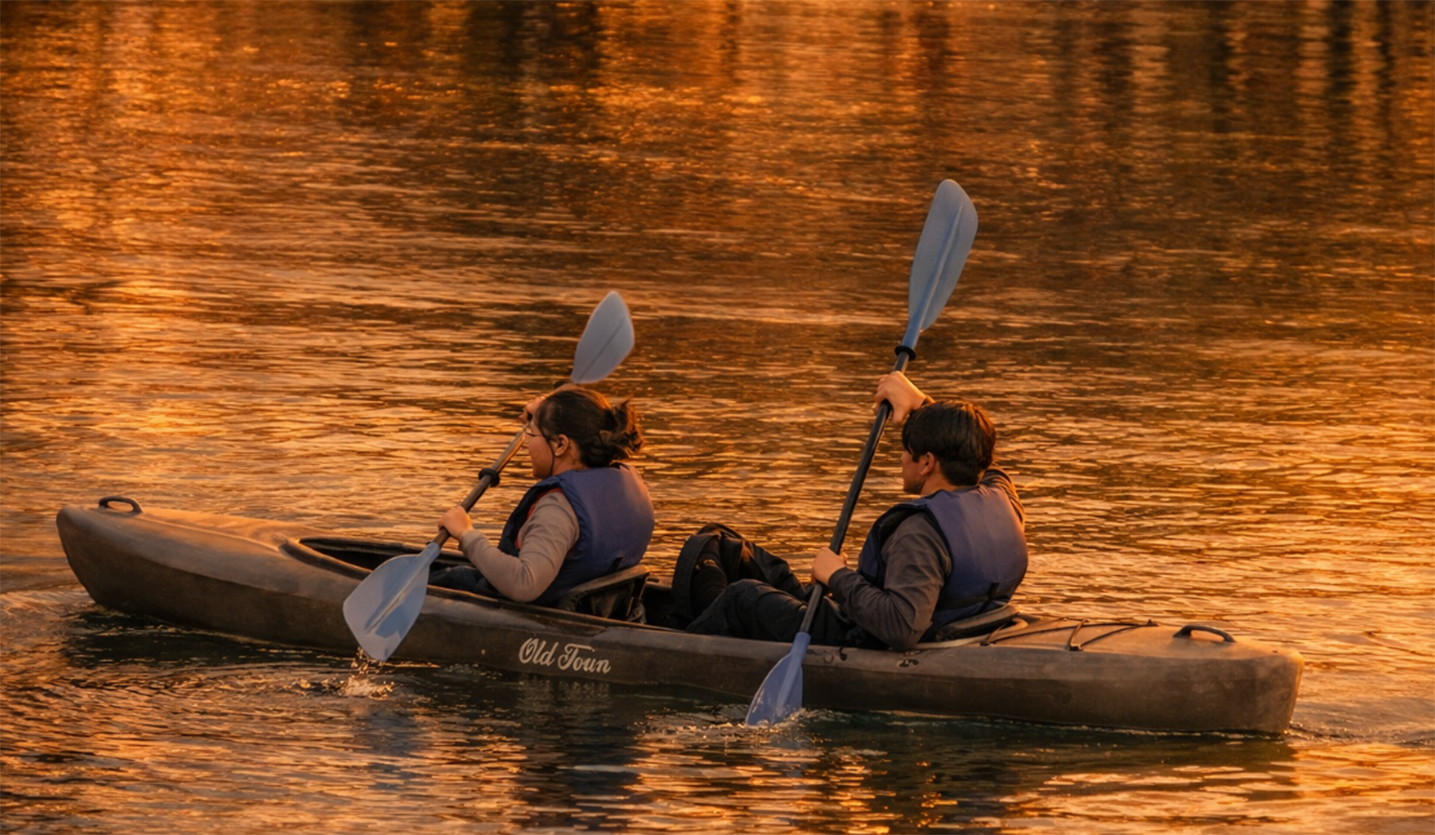
A kayak, canoe or paddleboard places you close to the water while allowing you to travel quietly through wildlife habitat.
Anderson’s Outdoor Adventures offers several ways to explore the Santa Fe River, including shorter outings, spring-hopping routes and full-day paddles. Rentals and shuttle logistics are handled for you, leaving more time to watch the shoreline, explore spring runs and enjoy the natural surroundings.
Adventures that are currently available include
• Blue Springs Hopper for a scenic paddle from Poe Springs to Gilchrist Blue Springs
• Ginnie Springs Paddle for a seasonal spring-filled journey ending at Ginnie Springs
• 8 Springs in 8 Miles® for the signature Santa Fe River experience